In the wake of someone’s passing, those closest will decide how they wish to share the news of their passing and how they wish to honour them. Obituaries are published either online or in print to share someone’s passing with biographical details and a short tribute to their life. Whereas, a eulogy is a more personalized overview of their life, sharing memories of those closest to them orally, typically at a funeral or celebration of life.
Obituary: A Brief Written Summary of One’s Passing
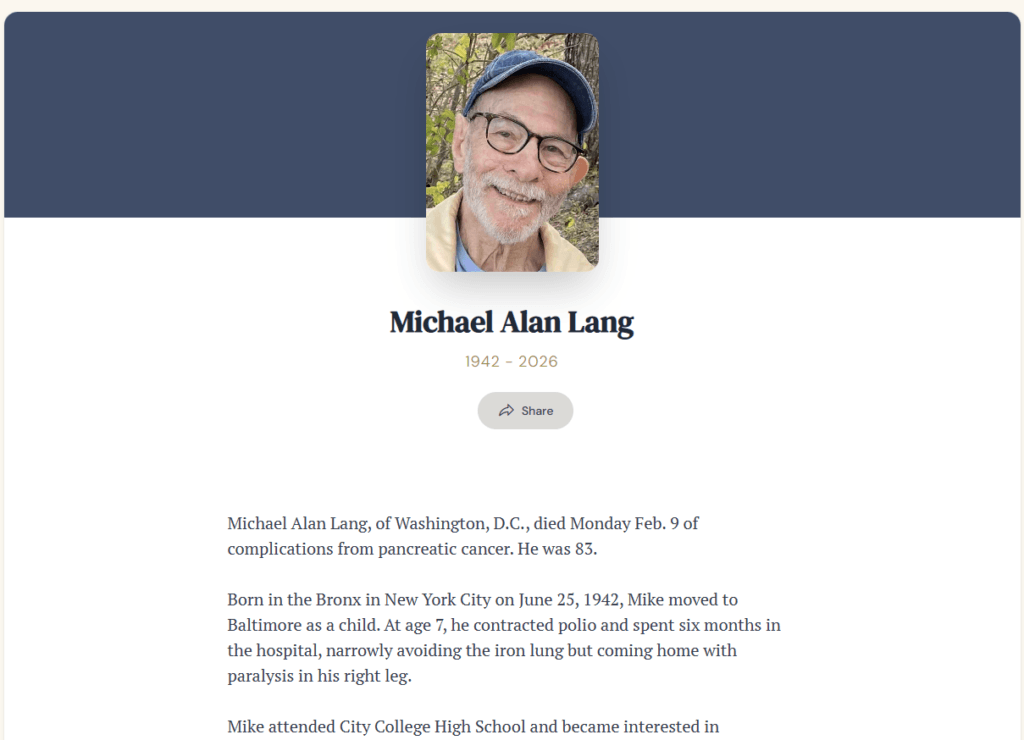
An obituary can be written by the family, with support of employees at a funeral home or a celebrant prior to being published. These passages are not just focussed on announcing the death of an individual, like a death notice, but provides a brief overview of their life story. (see past blog post for more details) Obituaries will include the person’s full name, their date of birth, the date of their passing, where they were born and where they resided most recently, a list of family members, and any details about a service being held in their honour.
Typically an obituary will also mention any significant details or accomplishments made throughout their life, which may include schools they attended, career accomplishments or community involvement, that those closest believe will help others understand their character. When a person was dedicated to a cause or passed in a specific way, their obituaries tend to end requesting donations to a specific cause in their honour.
Most obituaries are limited to a few paragraphs totalling around 200 words, for example, the obituary found here, that was written by Life-Cycle Celebrant, Emily Karp. The length of an obituary can greatly increase depending on the contributions that one has made to society throughout their life, and how they wish to be remembered. An example of a longer obituary is available here, written by Emily Karp, in memory of a kind and passionate young man.
Eulogy: A Spoken Tribute of Honouree

A eulogy is a speech given to pay tribute to one’s passing, usually being reserved for a time when people are able to gather and reflect on their memory. Most eulogies are at least a page or two of remarks that combine personal stories and shared memories from friends and family members, touching on biographical details. Eulogizing a loved one that has been lost can be difficult, but it is a great way to share and preserve their memory with others who care. In some circumstances, multiple people will share the duty of preparing and sharing the eulogy at the memorial event. These people will collaborate to eulogize their loved one, sharing aspects of their life, character and/or memories, then one will be assigned to speak at the event.
In some cases, when family members and friends try giving a eulogy, it tends to gravitate towards that individual’s own personal memories and experiences with the honouree, instead of giving a full understanding of the person’s character and life story. In these cases, it is more appropriate to allow many people an opportunity to share a few minutes of personal remarks, telling specific stories of their unique relationship with their late loved one. Most people find writing an unbiased eulogy and being able to share it with other grieving friends and family difficult, so many will rely on a funeral celebrant to aid in this process.
Supports Through The Process
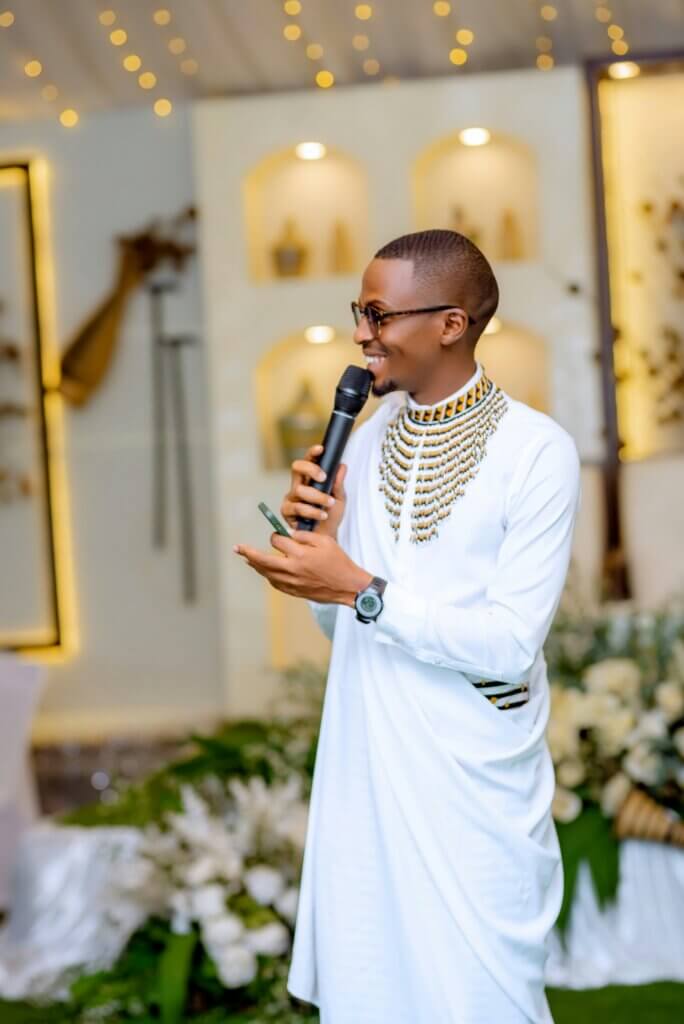
Whether writing an obituary, a eulogy or preparing an event to honour one’s passing, there are a number of supports available. Funeral celebrants can help to break down the common details shared in an obituary to put together a concise passage and provide assistance to share the information on printed memorial cards, online on a memorial website or directly on a funeral home page, and in newspapers, both their printed and digital copies. When needing to prepare a eulogy, taking time to reflect on a loved one’s life, deciding on relevant details and memories, choosing who would be best to put these thoughts into words and who would be best to share these remarks publicly can be daunting, but most funeral homes or memorial services will work together to gather the information, write the speech and hire an officiant to share these remarks at the memorial event.

Life-cycle celebrants, like Emily, work with clients to interview closest family members and friends, learning about the many aspects of their life, and gaining an understanding of the individual in order to write complete obituaries and unbiased eulogies honouring the memories that had been shared. Emily is also able to provide support when organizing an event in memory of a loved one’s passing, officiating the event, as well as presenting the final eulogy in a way that sympathizes with attendees while honouring wishes. If you are interested in utilizing Emily’s services for writing an obituary, a eulogy, officiating an event, or creating a memorial slideshow, please contact her directly. While these tasks and a memorial event seem daunting, it does not have to be difficult.

Kylie Baccin
Kylie Baccin is a virtual assistant from Ontario, Canada, who finds balance between the digital world and life on a small farm, where she and her family breed heritage pigs. Kylie has a history of supporting family and friends with compassionate guidance through funeral planning processes.